
Mitchell Projected Versus Actual Release
TDCJ uses the exact field name Projected Release Date. Classification and Records calculates it as the anticipated date a state inmate will leave incarceration unless parole produces an earlier release. The estimate reflects the offense, offense date, sentence structure, time-credit eligibility, discipline, parole or mandatory-supervision action, and maximum expiration. It is a forecast within the TDCJ sentence system.
An actual release date records that departure occurred. A discharge date records completion of the sentence. Those events may be far apart when a person leaves prison on parole or mandatory supervision. A court eligibility date is different again: it establishes when review may begin, not when a release must happen. Treat each field by its label.
A Mitchell County Jail detainee awaiting trial has no TDCJ Projected Release Date. Bond, court action, a hold, or transfer controls that path. For a local sentence, ask the court and Sheriff for the sentence, jail-credit calculation, release entry, and any applicable order. No Mitchell-specific county good-time or weekend-release policy was found.
Find a Mitchell Release Estimate
Start with the last known custodian. The Mitchell County Jail is a Sheriff operation. The Daniel Webster Wallace Unit is a TDCJ state prison. They are in the same county but do not share release calculations or records custodians. A person transferred from the jail to Wallace did not leave state custody merely because the county roster no longer shows the name.
- Match identity with the strongest available number. Use a TDCJ or SID number for state prison; use a booking or cause number for the Sheriff and court.
- For a current TDCJ inmate, open the TDCJ Online Inmate Search. Search by TDCJ number, SID, or the supported name fields.
- Open the matched detail and read the Projected Release Date with the maximum sentence and parole eligibility information. Do not copy a similarly named record.
- If parole review is pending, use BPP status at 844-512-0461. After a favorable vote, call Parole Division at (512) 406-5202 for release status.
- For a county detainee or county sentence, contact the Mitchell Sheriff and proper court clerk instead of applying TDCJ rules.
- Confirm physical release through the actual agency record. Record the agency, identifier, field label, and check date.
TDCJ's public search covers current inmates. It excludes former inmates and people only on parole or mandatory supervision. If the name later disappears, do not infer release or discharge. Use a formal TDCJ public-information request for the actual release date, type, and discharge or maximum-expiration date.
Mitchell Good-Time Calculations
Texas Government Code Chapter 498 makes good-conduct time a privilege. Accrual depends on classification and time-earning status. Credits may include diligent-participation credit where authorized, and discipline can cause forfeiture. Good time does not rewrite the sentence imposed by the court. It affects classification, eligibility, or the custodial calculation only when the governing law allows it.
Mandatory supervision adds another branch. For eligible cases before September 1, 1996, TDCJ describes the projection as calendar or flat time plus good time equaling the sentence, absent earlier parole. For covered eligible cases on or after that date, the credit relationship remains subject to discretionary BPP approval. A denial can reset the Projected Release Date to maximum expiration or discharge. A later approval may move it earlier.
State-jail felonies require special care. TDCJ says state-jail inmates do not earn ordinary good time. For eligible offenses after September 1, 2011, a judge may award diligent-participation credit under the specific statutory program. Do not apply an ordinary prison credit rate to a state-jail term.
The research manifest's good-time source is the official statute.
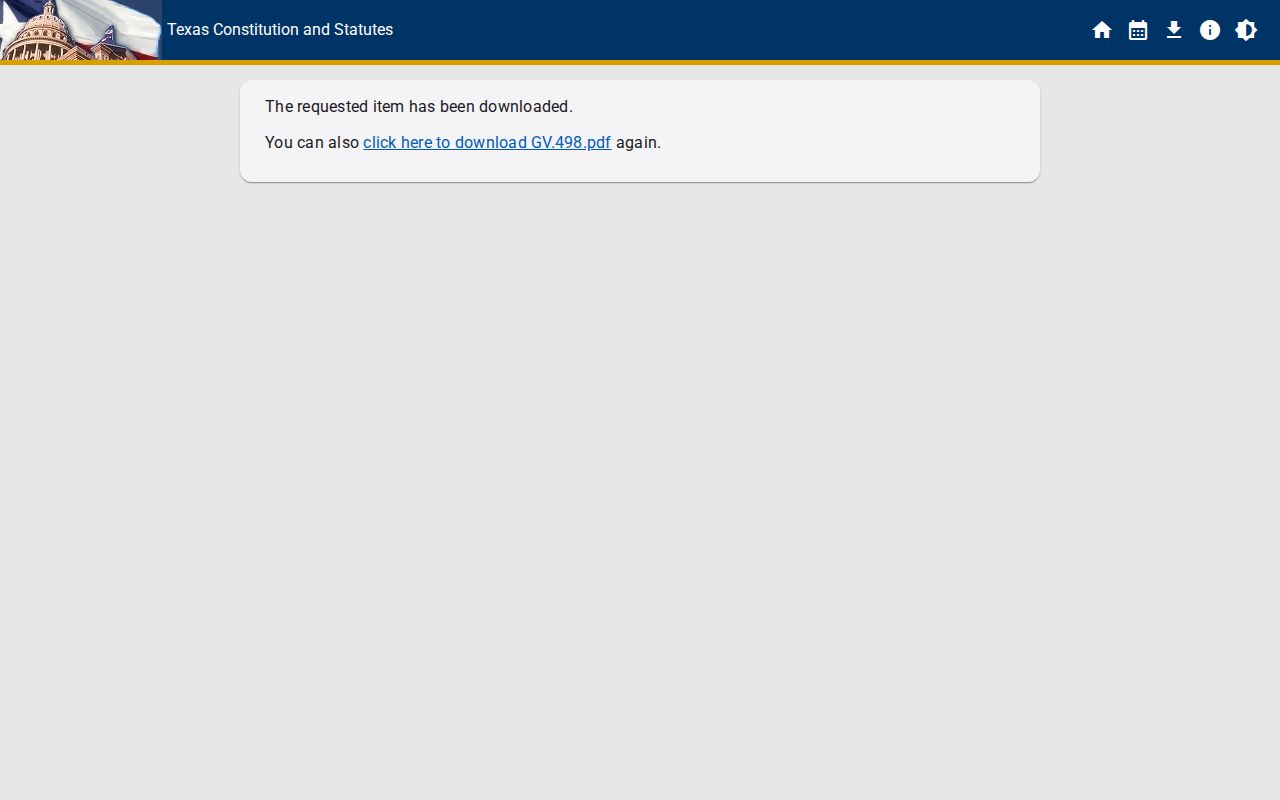
The statute supports category and credit analysis, but only TDCJ can confirm the live calculation for a named state inmate.
No Mitchell 85 Percent Rule
Texas has no blanket rule requiring every person to serve 85 percent of a sentence. A percentage calculator hides the branches that control a real TDCJ case. Under Government Code Chapter 508, many ordinary eligible cases use calendar time plus good time equal to one-fourth of the sentence or 15 years, whichever is less, for parole eligibility. That date begins consideration. It does not promise release.
Section 508.145(d) generally sets a different floor for listed serious or violent categories: actual calendar time equal to one-half of the sentence or 30 calendar years, whichever is less, without good-time consideration and with a two-calendar-year minimum. Other subsections add special rules. Certain aggravated-sexual-assault life sentences can require 35 calendar years. Life without parole and death cases are not parole eligible. Offense date, offense category, enhancements, and consecutive sentences can change the result.
| Branch | General effect | Key caution |
|---|---|---|
| Ordinary eligible parole case | One-fourth/15-year eligibility framework with allowable credit | Eligibility is review, not release |
| Listed serious case | One-half/30 calendar-year framework without good time | Confirm the offense category and subsection |
| Mandatory supervision | Calendar time and allowed credit may create review | Eligibility exclusions and discretionary denial apply |
| State-jail felony | No ordinary good-time accrual | Judge-awarded diligent credit is a separate program |
Sections 508.147 through 508.149 govern the mandatory-supervision formula, exclusions, and discretionary review for covered post-1996 cases. A denial can move a TDCJ projection to maximum expiration. That is why a Mitchell County estimate should come from the official live record, not arithmetic based on sentence length alone.
Why Mitchell Release Dates Change
A TDCJ projected date is recalculated as relevant facts change. Some changes move it later. Others may move it earlier. The detail screen is still a snapshot, and even a scheduled unit and date can change on release day.
| Factor | Possible effect | Best confirmation |
|---|---|---|
| Disciplinary forfeiture | Loss of allowed credit may move a date later | TDCJ Classification and Records |
| Parole or MS vote | Approval, denial, or condition can change the path | BPP result, then Parole Division |
| Program or release plan | Required completion or plan approval can delay release | Post-vote TDCJ status |
| Detainer or hold | Another agency may receive the person | Receiving agency and TDCJ record |
| Consecutive sentence | Another term can alter eligibility or release | Judgments and TDCJ calculation |
| New court action | An amended or new order may change custody | Filed court order and agency implementation |
A detainer is a request or hold from another authority. It can mean a person leaves Wallace but enters another agency's custody. A favorable vote may also be withdrawn or reconsidered. Describe transfer when the receiving record supports transfer, and describe community release only when the release type and destination support it.
Mitchell Post-Vote Release Audit
After a favorable vote, TDCJ says Classification and Records audits the case after receiving a release certificate, generally in 14 to 21 business days. The scheduled date and unit can then appear in the details. This is a processing estimate, not a guarantee that every Mitchell County state-prison case will take that long or release on the first displayed date.
The audit can account for detainers, program requirements, plan approval, new information, forfeited credit, consecutive sentences, or a withdrawn vote. Call BPP for the vote result, then Parole Division for release status. Do not call the Wallace Unit's geographic location proof of release authority. TDCJ remains the custodian.
The official TDCJ definitions distinguish Projected Release Date from Discharge Date and Maximum Sentence Date.
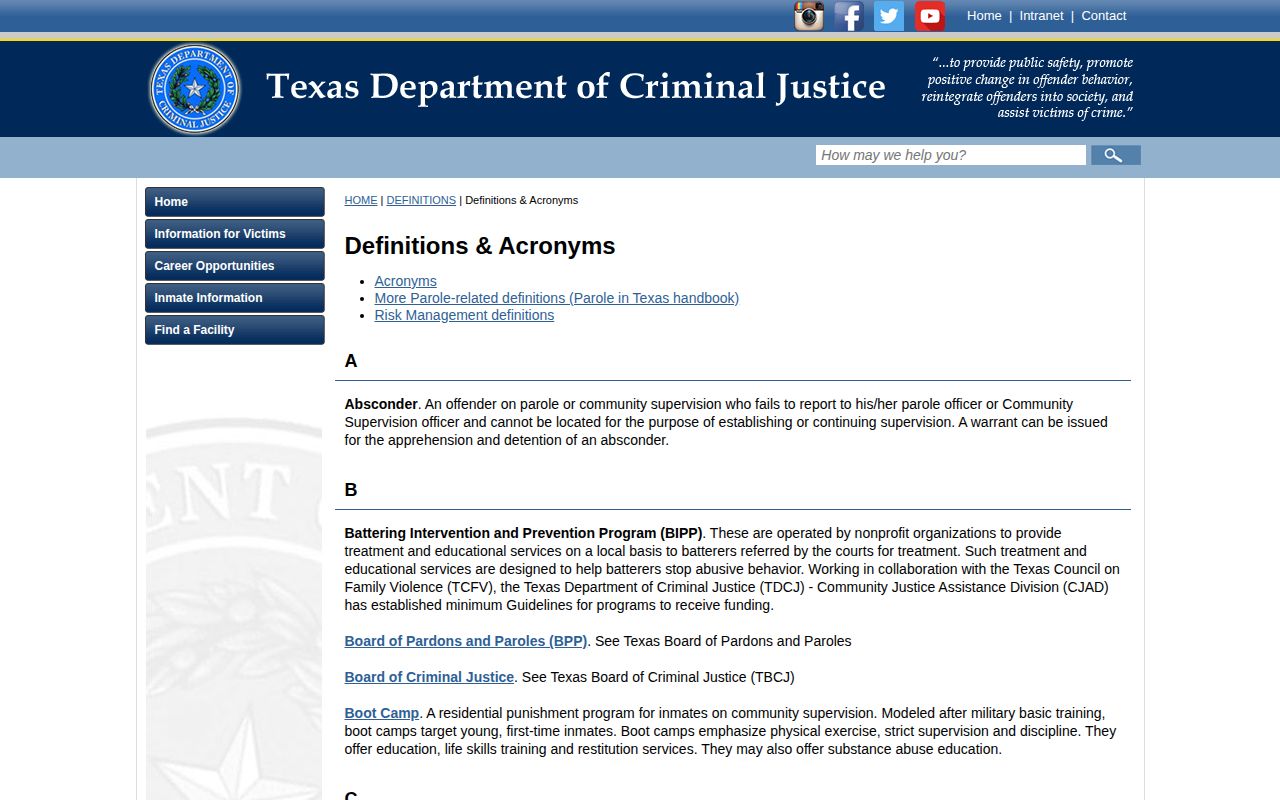
Read the exact field name before reporting it, then obtain the actual record when release processing ends.
Mitchell County Jail Dates
Do not use the TDCJ formula for a person in Mitchell County Jail. A pretrial detainee may leave through bond, dismissal, court release, transfer, or another lawful action. A person serving a local sentence requires the court's sentence and the Sheriff's jail-credit calculation. Research found no official local rule that supports predicting a routine release hour, weekend adjustment, or fixed credit rate.
Ask the Mitchell Sheriff for the booking and release record, the release type, and destination or receiving agency. Ask the correct clerk for the signed judgment or release order. A court order can establish authority, but it may not prove that jail processing finished. The actual Sheriff release timestamp is stronger proof of departure from county custody.
If the record says TDCJ, do not label it community release. Continue with the state current-inmate search and TDCJ records. The Mitchell County release search explains that custodian switch, while the VINELink Check describes conditional county alerts.
Confirm Mitchell Actual Release
For a current TDCJ inmate, begin with the live detail, then use the right phone stage. Before the Board decision, call 844-512-0461 with the name, TDCJ-CID number and date of birth. After approval, call Parole Division at (512) 406-5202. An IVSS event can add timely notice for an eligible registrant, but the actual TDCJ release record is the durable source.
For a former inmate, submit a focused request to TDCJ OGC through its online form, PIA@tdcj.texas.gov, or published mail route. Give the full name, TDCJ or SID number, date of birth, conviction county and cause number, and incarceration range. Request existing records showing admission, incarceration history, actual release date, release type, and discharge or maximum-expiration date. Ask for a cost estimate because no flat fee was published for that request.
For Mitchell County Jail, call (325) 728-5261 and request the existing local release entry. None of these sources can prove the universal claim that a person is not in custody anywhere. Report only what the named agency confirms, at the time checked.
Identity matching remains essential at every stage. A TDCJ or SID number is stronger than a name for the state calculation. For a county case, combine the booking or cause number with full legal name and date of birth. Middle name, age, race, gender, and offense may narrow a match, but they are not always unique. If the spelling includes a suffix, punctuation, alias, or multiple surname, give the custodian each known variant and preserve the name exactly as the authoritative record returns it.